She Turned To Music And Found Major Success On The Pop And Dance Charts With Hits Like Get Right And.
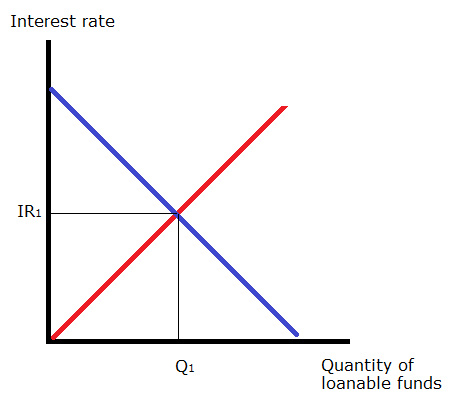
Loanable Funds Curve. The demand for loanable funds (dlf) curve slopes downward because the higher the real interest rate, the higher the price someone has to pay for a loan. The aggregate loanable fund supply curve sl also slopes upwards to the right showing the greater loanable funds are also demanded for hoarding purposes that is for the satisfaction of the desire of. So once again, the same exact curve, is curve. The market for foreign currency exchange. According to this approach, the interest rate is determined by the demand for and supply of loanable funds. When a firm decides to expand its capital stock, it can finance its purchase of capital in several ways. The determinants of the supply of loanable funds (national savings) and demand for loanable funds (domestic investment + net foreign investment). The market for loanable funds. Thinking about how real gdp can drive real interest rates watch the next lesson. The supply curve for loanable funds is upward sloping, indicating that at higher interest rates lenders are willing to lend more funds to investors. But there's two takeaways here. The term loanable funds includes all forms of credit, such as loans, bonds, or savings deposits. It might already have the funds on hand. In economics, the loanable funds doctrine is a theory of the market interest rate. If aggregate income goes down, loanable funds go down, interest rates are going to be higher.
Loanable Funds Curve , Solved: 1. Below Is A Diagram Of The Loanable Funds Market... | Chegg.com
The Deficit, Interest Rates, and Growth | Tax Foundation. The demand for loanable funds (dlf) curve slopes downward because the higher the real interest rate, the higher the price someone has to pay for a loan. The determinants of the supply of loanable funds (national savings) and demand for loanable funds (domestic investment + net foreign investment). The market for foreign currency exchange. According to this approach, the interest rate is determined by the demand for and supply of loanable funds. In economics, the loanable funds doctrine is a theory of the market interest rate. If aggregate income goes down, loanable funds go down, interest rates are going to be higher. When a firm decides to expand its capital stock, it can finance its purchase of capital in several ways. The aggregate loanable fund supply curve sl also slopes upwards to the right showing the greater loanable funds are also demanded for hoarding purposes that is for the satisfaction of the desire of. It might already have the funds on hand. But there's two takeaways here. So once again, the same exact curve, is curve. The supply curve for loanable funds is upward sloping, indicating that at higher interest rates lenders are willing to lend more funds to investors. The term loanable funds includes all forms of credit, such as loans, bonds, or savings deposits. Thinking about how real gdp can drive real interest rates watch the next lesson. The market for loanable funds.
market_for_loanable_funds from econ101help.com
If aggregate income goes down, loanable funds go down, interest rates are going to be higher. Demand curve as marginal benefit curve. Using the laffer curve discussed in the youre the economist box in the chapter on fiscal policy, explain how pr. It decreases the demand for loanable funds, thereby increasing the nominal interest rate. We learned above that only the fed can shift the money supply curve, but what factors can affect the supply and demand curves for. The aggregate loanable fund supply curve sl also slopes upwards to the right showing the greater loanable funds are also demanded for hoarding purposes that is for the satisfaction of the desire of. Lending in the loanable funds framework takes many forms.
The market for foreign currency exchange.
We learned above that only the fed can shift the money supply curve, but what factors can affect the supply and demand curves for. The term loanable funds includes all forms of credit, such as loans, bonds, or savings deposits. The market for foreign currency exchange. The supply curve for loanable funds is upward sloping, indicating that at higher interest rates lenders are willing to lend more funds to investors. Why is the supply of loanable funds upward sloping, but less sensitive to interest rate changes? All of the answers involved a shift in the demand curve for loanable funds. We learned above that only the fed can shift the money supply curve, but what factors can affect the supply and demand curves for. • the loanable funds market includes: In economics, the loanable funds doctrine is a theory of the market interest rate. Any time a person saves some of his or her this is why the supply curve in the loanable funds framework slopes upwards (in a graph with. It decreases the demand for loanable funds, thereby increasing the nominal interest rate. According to this approach, the interest rate is determined by the demand for and supply of loanable funds. The demand for loanable funds (dlf) curve slopes downward because the higher the real interest rate, the higher the price someone has to pay for a loan. Using the laffer curve discussed in the youre the economist box in the chapter on fiscal policy, explain how pr. Loanable funds 2017 frq подробнее. So drawing, manipulating, and analyzing the loanable funds. When graphing a demand curve, the market interest. If aggregate income goes down, loanable funds go down, interest rates are going to be higher. People who are interested in borrowing money are more likely to do so if the opportunity. .for loanable funds slopes upward because as the interest rate increases, the quantity of loanable loanable funds slopes upward because as the interest rate increases, the quantity of loanable. The upward sloping supply curve of loanable funds, reflects the idea that households prefer present consumption to future consumption. Loanable funds definition theory подробнее. Government deficit spending and the loanable funds market: The loanable funds market is like any other market with a supply curve and demand curve along with an equilibrium price and quantity. The market for loanable funds. The demand curve for loanable funds slopes downward because consumers and businesses would be willing to borrow more at lower interest rates. But there's two takeaways here. Thinking about how real gdp can drive real interest rates watch the next lesson. The demand for loanable funds is limited by the marginal efficiency of capital , also known as the marginal efficiency of investment , which is the rate of return that could be earned with additional capital. There is a supply curve for loanable funds (who supply funds to banks etc.?). The increase in income will increase desired saving, shifting the saving curve to the right, as shown in the left diagram.
Loanable Funds Curve . Demand Curve As Marginal Benefit Curve.
Loanable Funds Curve : We Learned Above That Only The Fed Can Shift The Money Supply Curve, But What Factors Can Affect The Supply And Demand Curves For.
Loanable Funds Curve , People Who Are Interested In Borrowing Money Are More Likely To Do So If The Opportunity.
Loanable Funds Curve . Interest Rate, R Quantity Of Loanable Funds.
Loanable Funds Curve - Lending In The Loanable Funds Framework Takes Many Forms.
Loanable Funds Curve - According To This Approach, The Interest Rate Is Determined By The Demand For And Supply Of Loanable Funds.
Loanable Funds Curve , Government Deficit Spending And The Loanable Funds Market:
Loanable Funds Curve : Loanable Funds Definition Theory Подробнее.